
Be like a Vampire | Leadership 101
Use these steps to increase buy-in when in a new role.
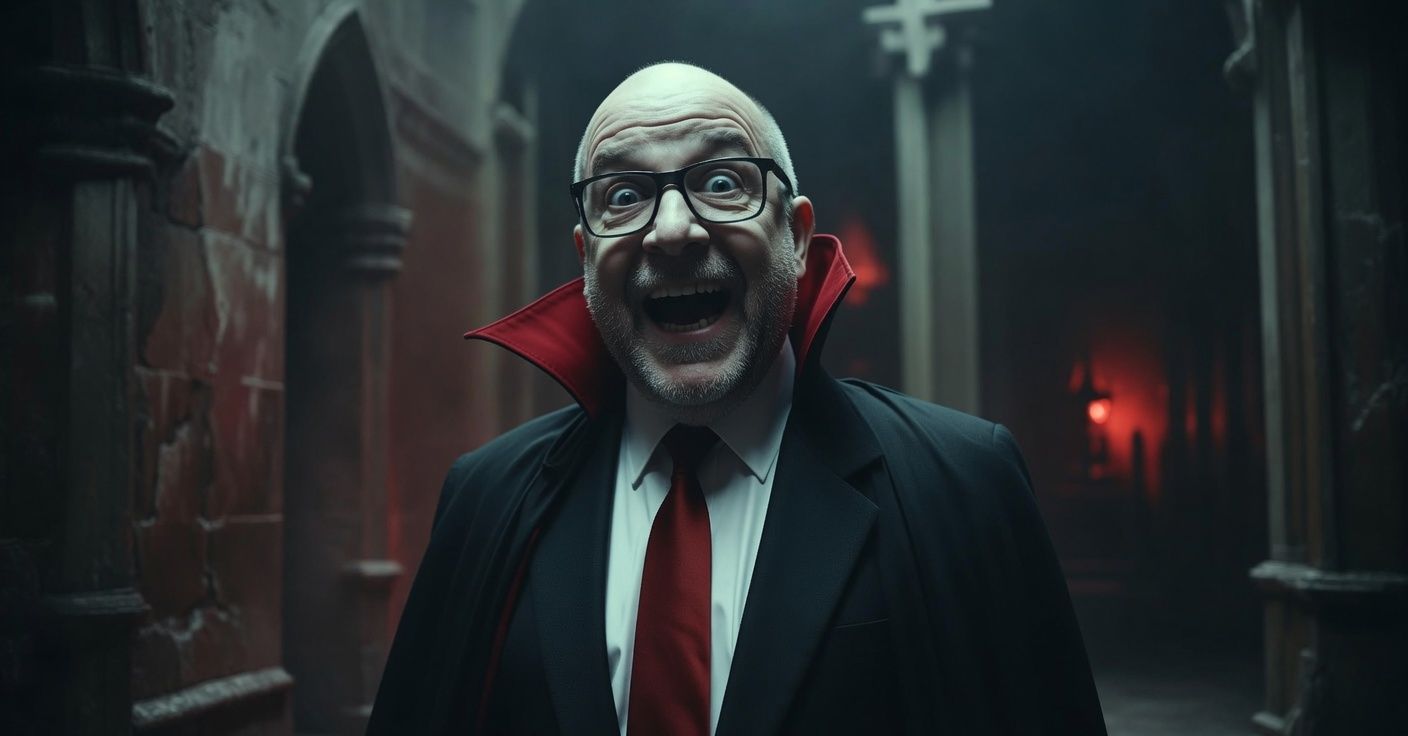
Whether your mind immediately went to a funny or scary version of a vampire, there is something to learn from their approach especially when you are in a new role.
As leaders, we have to have various tools in our tool box to handle different situations. Sometimes stern, sometimes caring and a lot of in between. When I've taken on new roles, I always seem to come back to the same concept of "being invited into the home" before making drastic changes in the workplace. Sometimes you have to move fast, but usually, time invested in the people and the issues they face, personally or professionally, will go along ways to building a highly effective team faster.
While learning about team development, we often hear of Tuckman's 5 stages of group development which include:
- Forming
- Storming
- Norming
- Performing
- Adjourning or Mourning
There are plenty of sources on the internet so I won't dive deep into them individually here but I've seen them at play consistently in most team dynamics. Whether in the jury room, the board room and many places in between. I've also observed times where a group never moves beyond one of the earlier phases and remain dysfunctional.
To avoid the latter in my last role, I met with each team member over a period of weeks for an informal discussion. I always use a prepared list to try to drive some consistency in these situations but the goal is to have an authentic discussion. I never take notes unless there is something striking said that I feel could be important. In those cases, I state that it's an important point that I don't want to lose. People seem to like those moments.
In many cases the answers to these questions may seem obvious but you'd be surprised the cultural issues they can surface. Below is the actual list of questions that I used in my last role:
- What is your role?
- Do you have a clear understanding of what your role is?
- What do you like about your role?
- What do you dislike about it?
- What is the most challenging part of your day?
- Whom do you report to?
- What would you like to be doing 5 years from now?
- What are the biggest issues you feel your department faces?
- What do you feel are the strengths of our organization?
- What do you think are the biggest issues our organization is facing?
These questions are just a starting point as the discussion will surface others. Your discussion will likely take several tangents that could be enlightening.
By being invited in, the real objective of the "Vampire approach" is to build trust within your team as rapidly as possible, as trust is the fuel that high-performing teams run on.
Good Luck!
